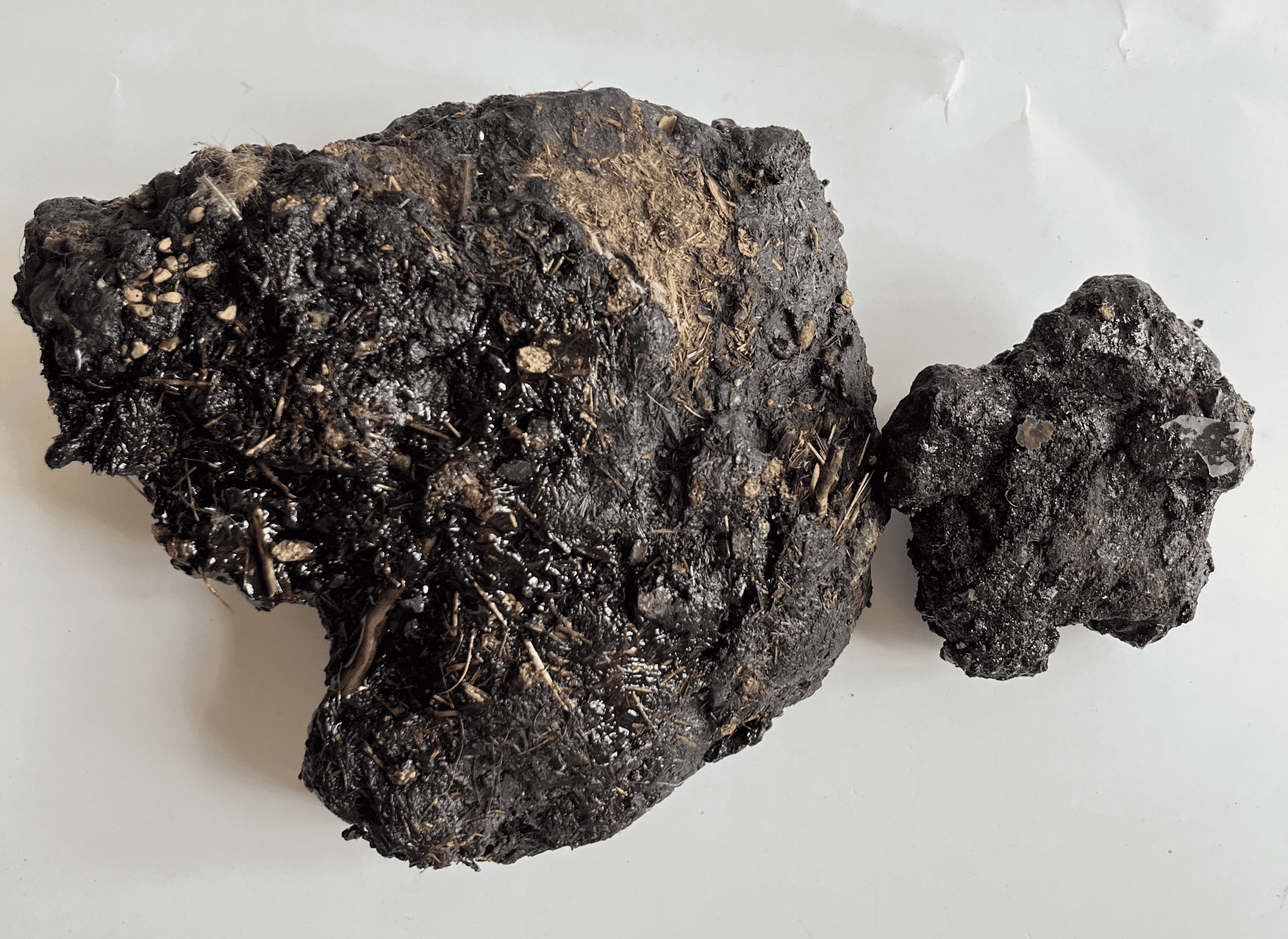
Somali rock and Himalayan rock produce chemically different shilajit, yet a significant share of “Himalayan” shilajit sold worldwide is estimated to actually be sourced from Somalia and relabeled. Here’s why this happens and how to tell the difference.
Why the Substitution Happens
Somali rock costs a fraction of genuine Himalayan Gold Grade rock, roughly thirty times less by some industry estimates. That price gap creates a strong financial incentive to relabel Somali-sourced material as “Himalayan,” especially since the finished resin can look visually similar to an untrained buyer.
How the Two Actually Differ
Himalayan Gold Grade rock, extracted at 16,000 to 18,000 feet, forms under different geological conditions than Somali rock, resulting in a different mineral and chemical profile. This isn’t a matter of one being universally “better” in every measurable way, it’s that they are genuinely different materials, and a supplier claiming Himalayan sourcing while actually using Somali rock is misrepresenting the product, not offering a lesser but honestly labeled alternative.
How to Verify What You’re Actually Buying
- Ask your supplier directly which mountain range and specific region the rock was extracted from
- Ask for photos or video of the raw rock before processing, genuine Himalayan Gold Grade rock has a distinct visual density and darkens when water is poured over it
- Request a live video call to see the actual sourcing and sorting process, rather than relying on a written claim alone
- Be cautious of a supplier who cannot answer specifically or becomes vague when asked about origin
Our Sourcing
East-West Shilajit Company sources exclusively from the Gilgit-Baltistan region of the Himalayas. We do not use Somali rock, and we document our sourcing and sorting process publicly so buyers can verify this directly rather than take our word for it.
Frequently Asked Questions
How is Somali shilajit different from Himalayan shilajit?
The two form under different geological conditions and have different mineral profiles. Somali rock is significantly cheaper, which creates a strong incentive for it to be mislabeled and sold as “Himalayan.”
Why is Somali rock sometimes sold as Himalayan shilajit?
Because it costs a fraction of genuine Himalayan Gold Grade rock, an estimated thirty times less in some cases, and the finished resin can appear visually similar to buyers unfamiliar with the difference.
How can I verify my shilajit is genuinely Himalayan?
Ask your supplier for the specific mountain range, region, and altitude of extraction, request photos or video of the raw rock, and consider a live video call to see the actual sourcing process directly.
Is relabeled Somali shilajit unsafe?
Safety depends on purification and testing, not origin alone. The core issue with relabeling is misrepresentation, being sold something different from what’s claimed, not necessarily a direct safety risk on its own.
Does East-West Shilajit Company use Somali rock?
No. We source exclusively from the Gilgit-Baltistan region of the Himalayas and document our sourcing process publicly.
Verify Our Sourcing Yourself
Request a live video call or ask to see our sourcing documentation before you order.